
In an era where skincare claims flood the internet and product packaging, learning how to read skincare labels US style is essential for conscious beauty shoppers. Brands like born2blush have risen in popularity for their clean, minimalist approach to formulas, but even with thoughtful design, understanding label terminology and hidden irritants helps you choose products that truly support your skin’s health.
Why Reading Skincare Labels Matters?
Skincare labeling in the United States isn’t always regulated to protect consumers from ambiguous marketing terms. Words like “clean,” “natural,” and even “fragrance-free” don’t have strict definitions under FDA guidelines meaning consumers must learn to decipher ingredient lists for themselves. The U.S. Food and Drug Administration recommends checking the full ingredient list rather than relying on front-of-package claims to avoid potentially harmful ingredients.
Reading labels properly helps you identify not only beneficial components but also ingredients that may cause irritation, dryness, or allergic reactions, especially for sensitive or reactive skin.
Common Hidden Irritants in Skincare
When decoding ingredient lists, certain terms can signal potential irritation even when products are marketed as gentle or “fragrance-free.” Here are key categories to watch:
1. Fragrance and Parfum (Even When “Unscented”)
Even when a product is labeled fragrance-free, it may still contain fragrance compounds unless it explicitly lists “fragrance-free” and omits all fragrance or masking agents. Terms like parfum, aroma, or specific chemical names like linalool or limonene indicate fragrance presence — and these can trigger irritation in sensitive skin.
2. Harsh Surfactants and Drying Agents
Ingredients like sodium lauryl sulfate (SLS) and sodium laureth sulfate (SLES) are common in cleansing products but can strip away natural oils and weaken the skin barrier, resulting in dryness or irritation.
3. Denatured Alcohol
Ingredients such as alcohol denat. (denatured alcohol) help products spread or absorb more easily, but they can also strip moisture from the skin and disrupt the barrier especially in high concentrations.
4. Preservatives and Chemical Releases
Some preservatives like DMDM hydantoin or quaternium-15 act as formaldehyde releasers. While effective at preventing microbial growth, they can be irritating and are often avoided in clean skincare formulations.
Understanding these terms empowers you to make informed choices, especially if you have sensitive, acne-prone, or barrier-compromised skin.
What “Fragrance-Free” Really Means?
A common misconception is that “unscented” equals “fragrance-free.” In reality, “unscented” products may still contain masking agents — ingredients that neutralize odors but can function similarly to fragrance and trigger irritation. This is why it’s crucial to look for products explicitly labeled “fragrance-free” on packaging and to review the ingredient list for terms like parfum or aroma that indicate hidden scent components.
Born2Blush: Clean, Simple Formulas With Fewer Irritants
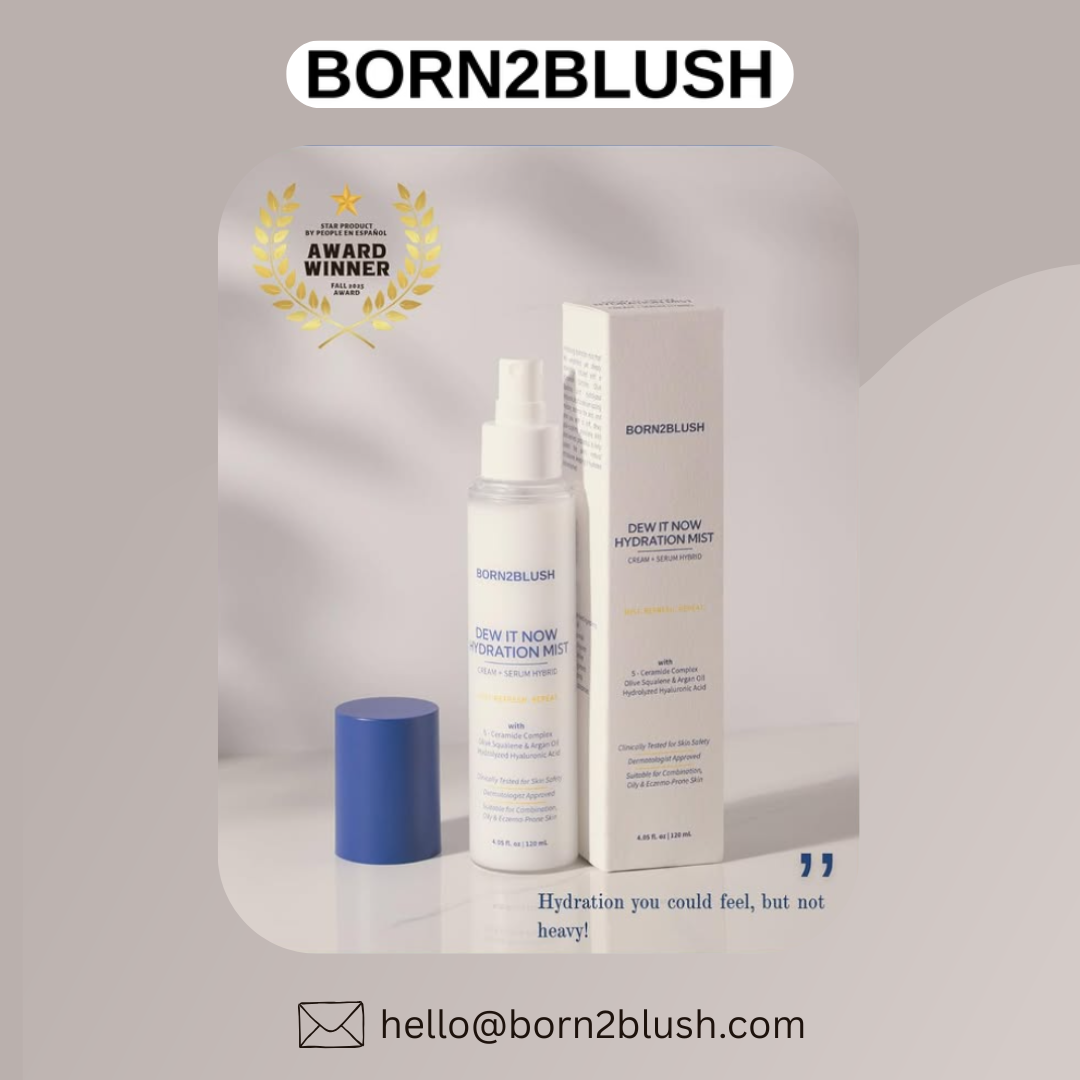
born2blush positions itself as a brand focused on simplified, skin-friendly formulas that respect the skin barrier. Their flagship products — including the Dew It Now Hydration Mist are formulated without artificial fragrance and are built to be gentle on a variety of skin types, including sensitive skin.
Unlike many cosmetic products that rely on heavy scenting or unnecessary additives, born2blush prioritizes hydration and barrier support with ingredients like ceramides, humectants, and probiotic-supportive extracts while avoiding known irritants like perfumes and harsh alcohols when possible.
Their focus on minimalist formulation helps reduce the risk of skin irritation and allergic reaction, especially for people who are prone to sensitivity.
How to Decode a Product Label: Practical Tips?
Here’s a practical approach to decoding skincare labels:
1. Start With the Ingredient Order
Ingredients are listed from highest to lowest concentration. If potential irritants like fragrance or harsh surfactants appear at the top, the product may be more likely to cause sensitivity.
2. Identify Key Actives
Look for beneficial actives like hyaluronic acid, niacinamide, ceramides, or antioxidants. These support hydration, barrier repair, and overall skin health.
3. Spot Red Flags
Watch for:
-
Fragrance / Parfum / Aroma
-
Alcohol Denat
-
SLS / SLES
-
Formaldehyde releasers
-
Phthalates (often hidden within fragrance mixes)
4. Use Ingredient Dictionaries and Tools
Ingredient dictionaries and skincare label apps can help decode complex names. Tools like INCI Decoder or SkinSAFE explain ingredient roles and potential hazards, making label reading easier and more precise.
Conclusion: Be an Informed Skincare Shopper
Decoding skincare labels is more than just spotting buzzwords it’s about understanding what a product truly contains beneath the marketing. By learning to read skincare labels US style, you can avoid hidden irritants, evaluate claims like fragrance-free labels accurately, and choose products that align with your skin’s needs.
Brands like born2blush are part of a growing movement toward cleaner, simpler formulas with an emphasis on hydration and barrier support rather than unnecessary additives. When you know how to read and interpret ingredient lists, you gain the power to choose skincare that supports your health, comfort, and confidence.
Sources
-
Born2Blush skincare brand and product information. BORN2BLUSH
-
Insights on Born2Blush’s clean and fragrance-free formulation approach. BORN2BLUSH
-
How to read skincare labels and identify irritating ingredients. Lúvadoré Naturals
-
Fragrance vs fragrance-free label guidance. elemystrx
-
Dermatologist-supported skincare label insights. dermatologyseattle.com
-
FDA guidance on skin product labeling and safety. U.S. Food and Drug Administration
-
Skincare label decoding apps and tools. Marie Claire UK