
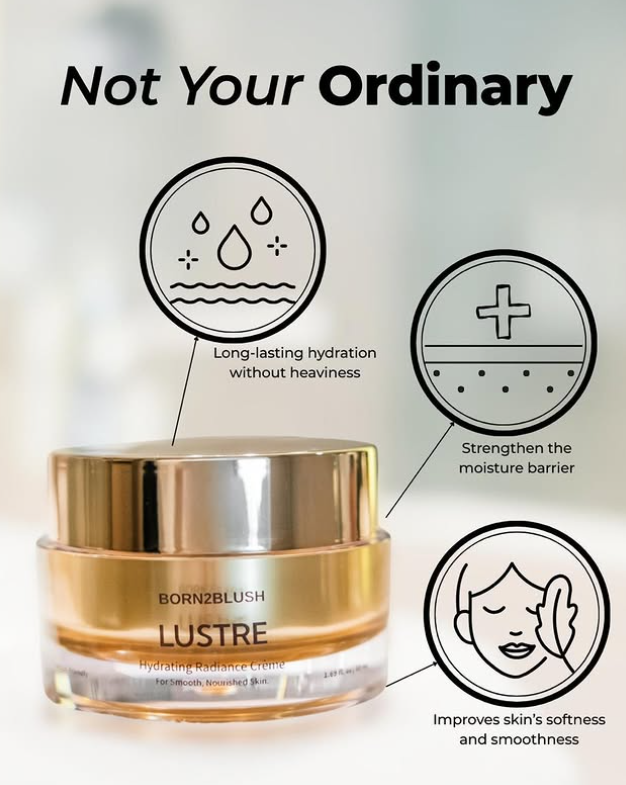
When selecting skincare products, especially from online brands like born2blush.com, it’s important not to be swayed solely by marketing buzzwords or pretty packaging. Wise shoppers learn to read skincare labels US style with careful attention to ingredient lists to avoid hidden culprits that can irritate skin or cause allergic reactions. This guide breaks down how to decode product labels, why some ingredients can be problematic, and what labels like “fragrance-free” really mean in practice.
Why Reading Skincare Labels Matters?
Many skincare products include complex formulations where certain ingredients serve specific functions from cleansing and moisturizing to preservation and scent. However, others may unintentionally irritate or sensitize your skin, particularly if you have sensitive skin or concerns like dryness, redness, or breakouts. The U.S. Food and Drug Administration advises consumers to check product labels carefully and understand what each ingredient means rather than rely solely on claims printed on the front of the packaging.
Common Hidden Irritants You Might Encounter
Even when a product appears gentle or “natural,” some ingredients may trigger irritation. When browsing products on sites like born2blush.com or elsewhere, it’s critical to know which components could cause reactions.
1. Fragrance / Parfum and Scent Components
One frequent label red flag is “fragrance” or “parfum.” Although these terms may sound harmless, they can represent complex mixtures of undisclosed synthetic chemicals many of which are known allergens or irritants. Simply labeling a product as “unscented” does not guarantee it is free of fragrance chemicals; companies sometimes mask odors with other scent molecules that still irritate skin.
Even natural fragrance components like linalool, limonene, or geraniol commonly found in essential oils can be irritating for sensitive individuals.
2. Harsh Surfactants and Cleansers
Surfactants like sodium lauryl sulfate (SLS) and sodium laureth sulfate (SLES) are effective cleansing agents but can strip away natural skin oils, weakening the protective barrier and leading to dryness or irritation.
3. Alcohol and Drying Agents
Certain denatured alcohols (e.g., alcohol denat., ethanol) can remove moisture and weaken the skin’s lipid barrier, especially when present higher in ingredient lists. This can result in tightness, redness, or flaking in many users.
4. Preservatives and Formaldehyde-Releasers
Preservatives ensure product safety by preventing microbial growth, but some like DMDM hydantoin or quaternium-15 can release formaldehyde over time, which some consumers find irritating or sensitizing.
5. Synthetic Dyes and Colorants
Artificial colors may not contribute to skincare benefits and can cause irritation in susceptible individuals.
Understanding “Fragrance Free Labels”
A product claiming to be “fragrance-free” should, by definition, contain no added fragrance or parfum ingredients. However, reading the full ingredient list is always the best practice because:
-
“Unscented” products may still include masking fragrances.
-
Some ingredients listed individually such as essential oils or aroma compounds like citral or eugenol can function as fragrances and irritants even in so-called gentle products.
By knowing the lexicon used in U.S. ingredient lists and the common irritants, you can assess a product’s formula more confidently before purchasing or applying it.
How to Read a Skincare Label Correctly?
When read skincare labels US style, begin with the basics:
1. Check the Ingredient Order
Ingredients are listed in descending order by concentration. If potentially irritating ingredients like fragrance or harsh surfactants appear near the top of the list, the product may be more likely to cause sensitivity.
2. Look Beyond Marketing Claims
Front-of-package claims like “natural” or “dermatologist-tested” don’t necessarily translate into safe formulas for every skin type. Terms like “hypoallergenic” lack consistent regulatory definition and still require ingredient verification.
3. Learn the Hidden Names
Many chemicals can hide under generic terms. For example:
-
“Parfum” or “fragrance” can include dozens of compounds.
-
“Botanical extract” may sometimes function as a fragrance or active agent itself.
-
Preservatives like methylisothiazolinone may not immediately appear harmful without context.
4. Patch Test New Products
Even a well-formulated product can cause reactions for some individuals. Applying a small amount to a discreet area (such as behind your ear or on your inner arm) and observing for 24–48 hours helps reveal sensitivity before full face application.
Born2Blush.com – Are There Hidden Irritants?
Brands like born2blush.com may offer broad skincare lines ranging from moisturizers and serums to oils and treatments. When evaluating any Born2Blush product:
-
Review the full ingredient list rather than just the product name or marketing highlights.
-
Identify whether fragrance or parfum appears, even if the product is advertised as “gentle.”
-
Look for protective, barrier-supporting ingredients like ceramides, hyaluronic acid, or glycerin positioned high on the list, which tend to be beneficial.
Keeping these points in mind empowers you to distinguish legitimately clean formulas from those that merely use trendy phrasing.
Conclusion
Decoding skincare labels doesn’t require a chemistry degree it just takes a little knowledge of what to watch for. When you read skincare labels US style, you’ll spot potential irritants like fragrance, harsh surfactants, drying alcohols, or formaldehyde-releasers more easily, helping reduce the risk of skin sensitivity. Knowing that “fragrance-free labels” can still hide scent components underscores the importance of examining the entire ingredient list rather than relying on front-of-package claims.
By applying this level of scrutiny to products from sites like born2blush.com and others, you can enjoy skincare that delivers results without unnecessary irritation investing in products that benefit your skin now and in the future.
Sources
-
Guide to reading skincare labels and identifying allergens and fragrance terms. elemystrx
-
Top skincare ingredients to avoid for sensitive skin. ACELABS
-
Worst skincare ingredients for sensitive complexion. dermgid.com
-
How to read skincare labels and identify clean beauty products. Bob’s Beauty And Skincare Bazaar
-
How to interpret label ingredient order and safety. Easyderma
-
What to look for on sensitive-skin-friendly labels. Dermatology of Seattle & Bellevue
-
Ingredients to embrace vs avoid for safer skincare. Bailin Botanicals
-
FDA advice on checking product labels for safety. U.S. Food and Drug Administration